














The Singapore Bedroom Paradox: What Are You Actually Sleeping Under?

Walk into almost any home in Singapore and you will hear nearly every top layer on a bed called a "blanket," whether it is a waffle-weave throw, a stitched quilt, or a thick insert brought back from university days abroad.
Everything lands under the same label. This mix-up goes deeper than semantics: it is precisely why so many local sleepers wake up at 3:00 AM, overheated and restless, in a city where the humidity never really sleeps either.
Getting genuinely restful sleep in Singapore starts with understanding how two very different bedding systems work, and which one suits your room, your body, and your laundry habits.
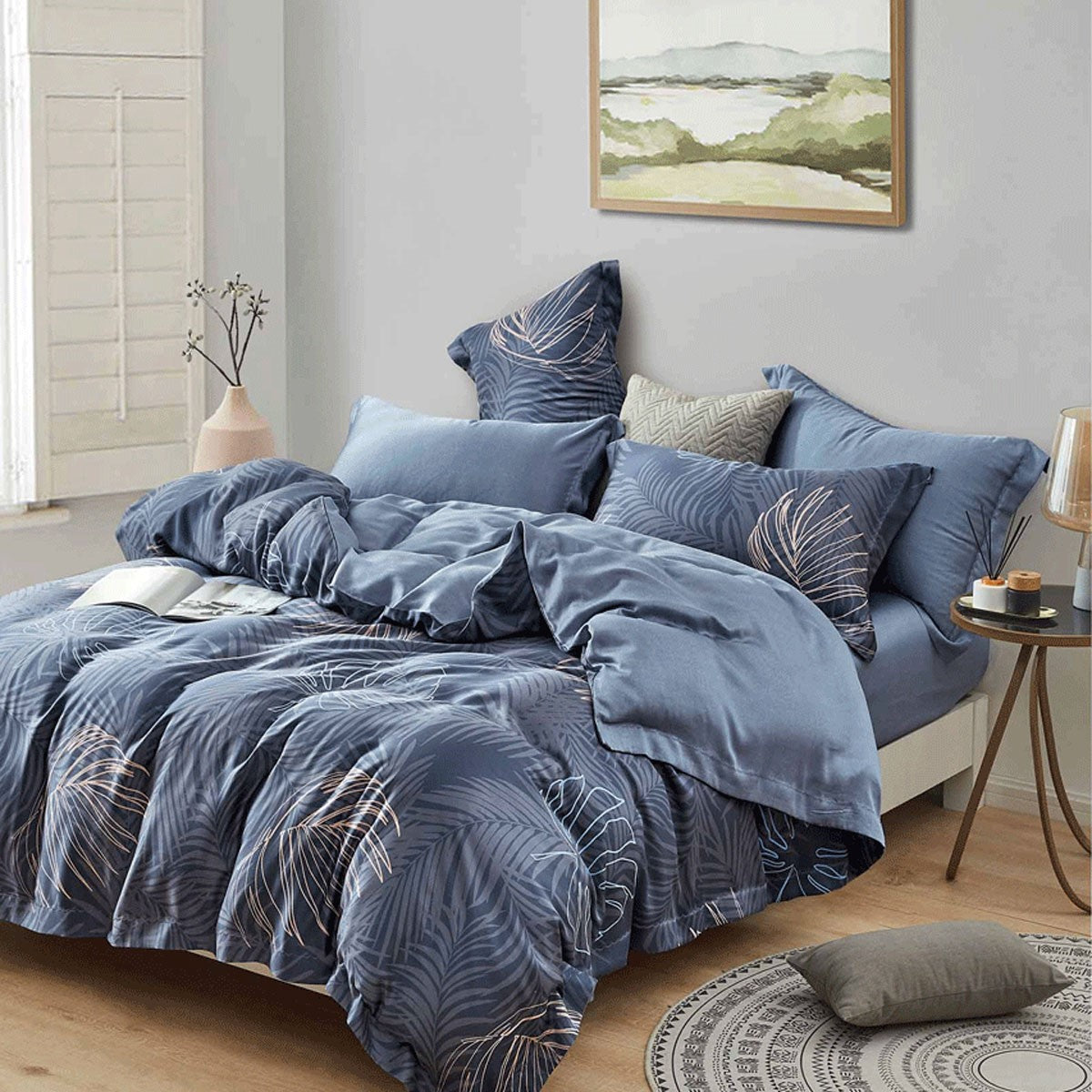
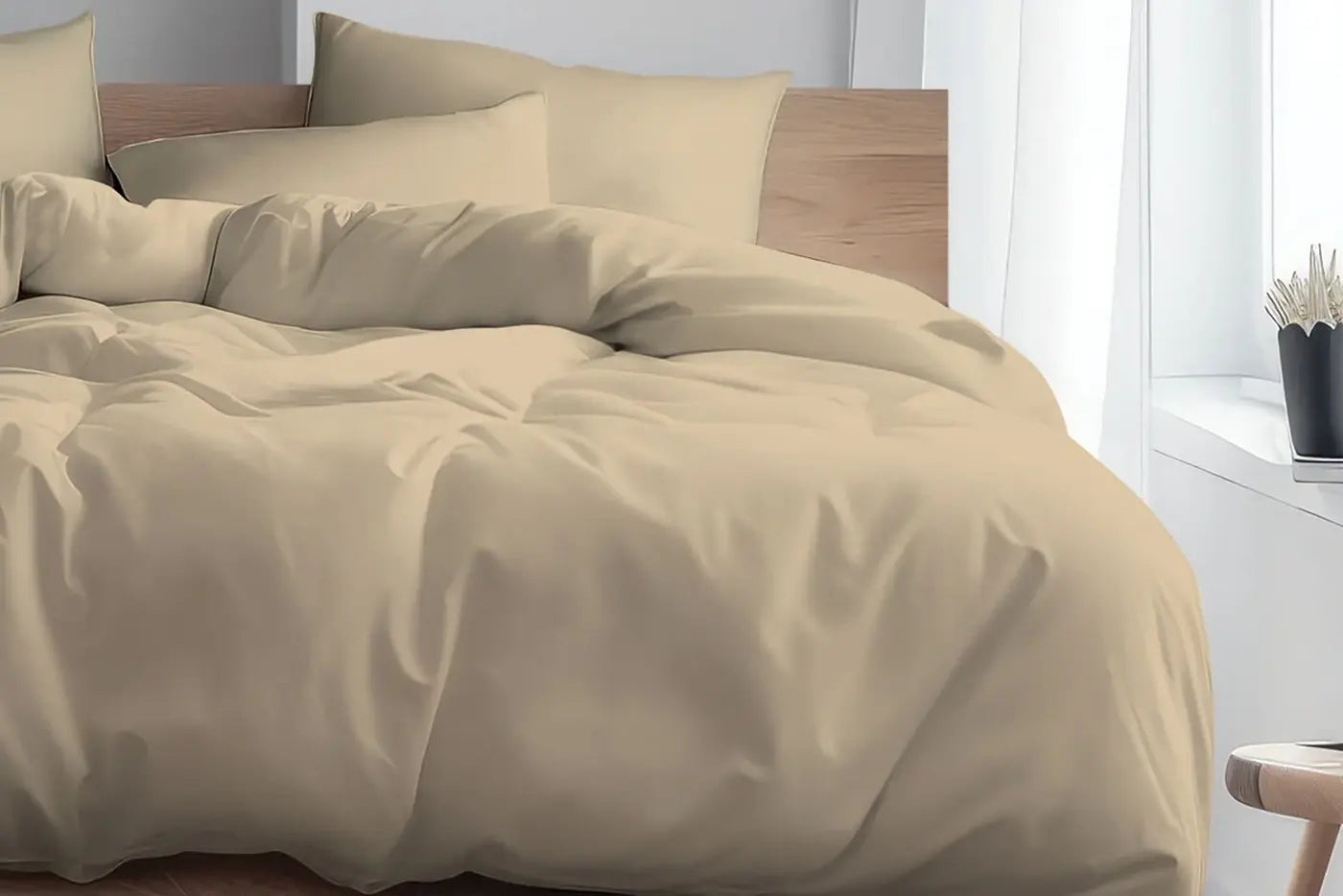
 Featuring Palette Collection Bed Linen (The Gang) - Frost White (left) and Nuage Collection Comforter - Pebble (right)
1. The Two-System Breakdown: Duvet vs. Comforter
There are two fundamentally different approaches to the top layer of a bed, and confusing them leads to wasted money, poor sleep, and endless laundry battles.
- The Duvet System (2-Piece): A standalone insert paired with a removable, washable cover, functioning much like a pillow inside a pillowcase. This modular setup gives you complete flexibility for tropical sleeping: combine a lightweight, breathable fill with an airy outer shell that unzips easily for weekly washing.
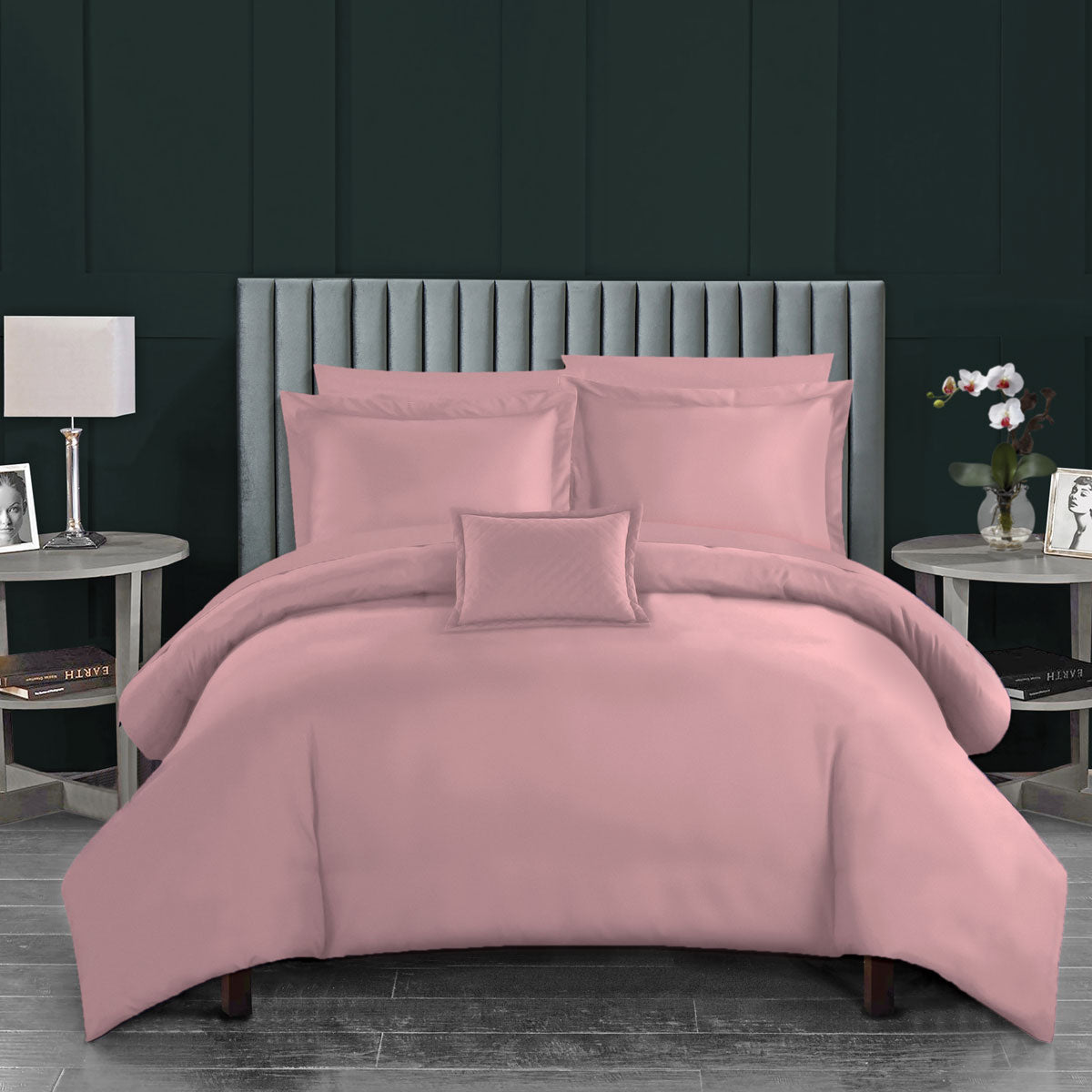
- The Comforter or Quilt (1-Piece): A single integrated unit where the outer fabric and inner insulation are stitched directly together. No separate cover required, drape it across the bed and wash the entire piece on laundry day. Effortless to make, but less flexible for styling updates.
Clearing Up the Practical Traps
A few simple misunderstandings often leave buyers second-guessing their setup for Singapore bedrooms:
Do You Still Need a Fitted Sheet With a Duvet Cover?
Yes, absolutely. A duvet cover replaces your flat top sheet, not your mattress protection. Your bottom fitted sheet shields the mattress from sweat and friction, while the duvet cover rests directly over you as a light, breathable upper layer.
Can You Put a Comforter Inside a Duvet Cover?
You can, but it usually backfires in Southeast Asian humidity. A comforter already has its own outer casing, so adding a cover creates an unnecessary double layer that traps heat. Most comforters also lack internal corner ties, meaning the fill will slide, sag, and bunch while you sleep.
2. The Tropical Reality: Air-Con Rooms vs. Fan Rooms
Sleeping comfortably in Singapore is never a simple copy-and-paste formula. With year-round humidity sitting between 70% and 90%, two bedrooms under the same roof can demand completely different bedding setups depending on how you cool the space at night.
The Singapore Context
Singapore's average relative humidity sits between 70% and 90% year-round, with overnight lows rarely dropping below 25°C outdoors. Even indoors, your bedding choice directly affects how efficiently your body sheds heat while you sleep, which is why the same duvet that works perfectly in a London winter becomes unbearable here on a fan-cooled night.
Step 1: Match Your Sleep Profile First
Before looking at fabrics, assess your body temperature alongside your room setup. A hot sleeper relying on a ceiling fan needs a very different fabric weight than someone who keeps the air-con running at 20°C all night. Factor in your personal thermostat before you buy, that prevents you from investing in a plush set that feels divine in a chilled showroom, only to leave you kicking off the covers at home.
Temperature, Humidity, and the GSM Rule
When people wake up overheated under a duvet in Singapore, the culprit is almost always GSM, Grams per Square Metre. This number measures the physical weight and thermal density of a duvet insert fill. Note that Charles Millen's bed linen range covers duvet covers and complete bedding sets rather than standalone inserts, so if you are shopping for an insert to pair with a cover, the guidance below applies to what you source separately.
GSM Quick Guide for Singapore
Fan-Only Rooms (28°C+): Skip a filled insert entirely. Use a breathable duvet cover on its own, or opt for a dedicated cooling comforter, just enough coverage without trapping ambient humidity.
Air-Con Rooms (20°C–24°C): Stick to a lightweight insert rated between 150 and 200 GSM. Western brands often pack 300 GSM or higher, too much for Singapore's conditions.
Thread Count, Weave, and the Airflow Equation
It is easy to assume that a higher thread count always guarantees a better sleep. In a tropical climate, however, a high thread count made with standard heavy cotton creates an airtight barrier that blocks circulation entirely.
High thread counts only work in Singapore when paired with moisture-wicking fibres and open, breathable weaves. Fabrics like 100% TENCEL™ Lyocell or Pure Gauze Cotton maintain exceptional breathability even in dense 800 to 1200 thread count ranges. These fibres continuously draw moisture away from your skin and let body heat escape, giving you a smooth, elevated feel without stifling your sleep.
"The fabric you sleep under matters far more than the price tag on the box. In Singapore's climate, the right weave is the difference between waking refreshed and waking up damp."
3. The Decision Matrix: Duvet System vs. All-in-One Comforter
Because Charles Millen crafts both bedding styles, we have no reason to steer you toward either one. The ideal choice simply depends on your daily habits, laundry space, and personal styling preferences. Use this comparison to see which setup suits your home:
| Feature | 2-Piece Duvet System | All-in-One Comforter |
|---|---|---|
| Best For | Regular decor updates and fabric customisation | Quick bed-making and low-fuss routines |
| Laundry Routine | Wash cover weekly; wash insert seasonally | Wash the whole piece every 1–2 weeks |
| Storage | Minimal, thin covers fold flat | Requires extra shelf space for bulky spare sets |
| Cooling Flexibility | Swap lightweight covers as preferences change | Fixed warmth level with direct-contact softness |
| Charles Millen | Bed Linens Collection | Comforters Collection |
Which Setup Fits Your Lifestyle?
Choose the Duvet System If... Modular Luxury, For Total Fabric Flexibility
You like refreshing your bedroom look without purchasing a whole new set. On laundry day, unzip the outer cover, toss it in the wash, and your insert stays clean inside. Extra covers fold flat, store several colourways without taking up wardrobe space. Explore Bed Linens
Choose the Comforter If... Instant Comfort, For an All-in-One Solution
You want a fast, effortless morning routine. No corner ties to fasten, no covers to straighten, simply pull it up, smooth it flat, and the bed is made. Ideal for guest rooms, children's spaces, or anyone who values simplicity above all. Explore Comforters
Not Sure Where to Start?
Our full bed linen range, from TENCEL™ Lyocell to Pure Gauze Cotton, is designed specifically for Singapore's tropical nights. Each collection is built to breathe, not smother. Browse the Full Range
4. Precision Sizing: Eliminating the Bunching Problem
Few things are more frustrating than pulling a fresh cover over your insert only to find the measurements do not match. European brands frequently use regional sizing, so slipping a standard local insert into these international covers leaves loose fabric at the seams or awkward bunching through the middle.
| Size | Duvet Cover (DBS) |
|---|---|
| Single | 140 × 213 cm |
| Super Single | 140 × 213 cm |
| Queen | 213 × 213 cm |
| King | 244 × 213 cm |
The Mechanics of Internal Corner Ties
An insert that shifts out of alignment and pools at the foot of your bed is one of the most common (and easily prevented) bedding frustrations. This happens whenever bedding relies purely on friction to keep the inner layer centred.
Thoughtfully designed duvet covers solve this by incorporating internal corner ties. Knotting these fabric strips to the matching loops built into your insert locks the fill securely across all four corners, so the interior layer stays flat and balanced no matter how much you shift during the night.
The Styling Secret: Upsizing for a Luxury Drape
To achieve the generous, deeply layered look typical of high-end hotel rooms, consider buying one size larger for your duvet or comforter system. Draping a King-sized cover over a Queen mattress provides a generous drop along both sides, completely concealing the mattress and bed frame, giving your bedroom a full, plush appearance without letting the corners pool on the floor.
5. Choosing Your Fabric: What Actually Works in the Tropics
Not all premium fabrics perform equally in Singapore's climate. Here is how the three key options used across the Charles Millen bed linen range compare in real-world tropical sleeping conditions:
| Best for Hot Sleepers | 100% TENCEL™ Lyocell | Derived from sustainably sourced wood pulp, TENCEL™ Lyocell fibres are known for their exceptional moisture-wicking properties, drawing perspiration away from your skin and releasing it rapidly into the air. Available in 900 and 1200 thread count options across the Bloomsbury range. Shop TENCEL™ Collection |
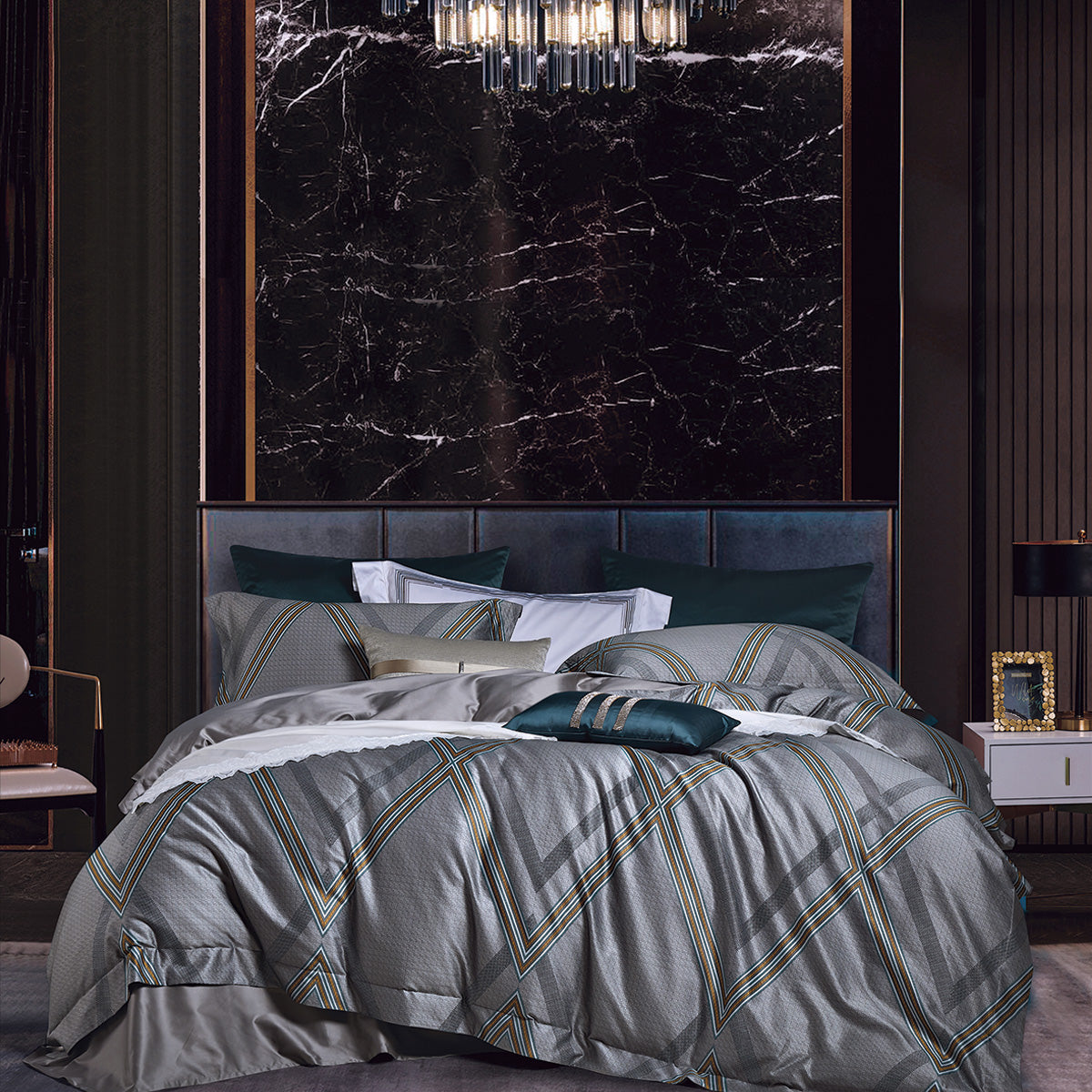
| Best for Fan Rooms | 100% Pure Gauze Cotton | An open, airy weave that maximises air circulation even without air-conditioning. Pure Gauze Cotton softens beautifully with every wash, and at 800 thread count, it strikes the perfect balance between structure and breathability for Singapore's warmest nights. Found in the Nuage Collection. Shop Nuage Collection |
| Best for Air-Con Sleepers | Premium Cotton, Two Distinct Options | For those who sleep in a fully air-conditioned room, Charles Millen offers Extra Fine Long Staple Cotton at 1100 Thread Count (Queensberry Collection) and 100% Pima Cotton at 1300 Thread Count, each delivering that smooth, cool-to-touch feel that truly earns its thread count. Shop Queensberry Collection | Shop Pima Collection |

6. Care and Maintenance in High-Humidity Environments
Frequent washing combined with high indoor humidity can quickly wear down luxury bedding if you treat it like everyday laundry. Keeping your sets soft, breathable, and fresh over the long term requires a care routine tailored specifically to Singapore's tropical climate.
Washing Delicate Fibres Without Damage
Hand or machine wash in cold or warm water, no higher than 30°C, using a mild detergent on your machine's gentle cycle. Always wash dark and bright colours separately to prevent colour bleed.
Care Rules
Skip fabric softeners and bleach entirely, do not soak, bleach, wring, or dry clean. Fabric softeners leave a subtle waxy coating over fine threads, clogging the open weave and destroying the fabric's natural moisture-wicking ability. The result is bedding that feels soft in the short term but loses its breathability within months.
Defeating the "Damp Flat" Odour During Indoor Drying
Set up your drying rack in an open room with a standing fan or dehumidifier pointed directly at the fabric. Active air circulation speeds evaporation before sour odours settle in. If you use a tumble dryer, stick strictly to a low-heat setting, do not wring the fabric before loading it. Once dry, if ironing is needed, use a warm iron on the reverse side only to protect the surface finish.
Storage Hygiene: Choose Breathable Fabric Over Vacuum Bags
Vacuum-sealed plastic bags might look like a smart space-saving trick, but crushing high-loft fills permanently damages their inner structure. Worse, sealed plastic traps hidden moisture, creating ideal conditions for mildew to develop. Swap airtight containers for breathable cotton storage bags, keeping your spare duvet covers, inserts, and comforters fresh, dry, and lofty until your next bed refresh.
7. Finding Your Ideal Match for Singapore Nights
Upgrading your bedding for Singapore's weather comes down to how you prefer to make your bed and manage your laundry. Whether you want a customisable two-piece system or a simple, ready-to-use layer, these two paths work best for local living conditions:
Option A: Modular Luxury, For Total Fabric Flexibility
If you already own a lightweight insert and want complete control over your styling, pair it with a light, breathable outer cover. A TENCEL™ Lyocell or 100% Pure Gauze Cotton duvet cover from our Bed Linens range lets you refresh your bedroom look while keeping air moving through your bedding all night long.
Option B: Instant Cooling Comfort, For an All-in-One Solution
If you prefer a quick morning routine, pick an integrated cooling comforter. A strong starting point is the Charles Millen Suite GLACIA Cooling Comforter, crafted from a luxurious blend of LENZING™ ECOVERO™ fibres and premium nylon, engineered with active cooling properties. Certified biodegradable and compostable, with a silky-smooth, breathable feel. From SGD $119. Browse All Comforters
 Featuring Charles Millen Suite GLACIA Cooling Comforter
Not sure which option fits your bedroom? Browse the full Charles Millen bed collection or check out the bed bestsellers to see what other Singapore sleepers are choosing.
8. Frequently Asked Questions About Tropical Bedding
Can I use a duvet cover without an insert?
Yes, and in Singapore, this is actually a smart warm-weather trick. In fan-only rooms or during particularly muggy nights, an empty duvet cover works well as a light top sheet, giving you just enough physical coverage to feel tucked in without trapping body heat.
What is the difference between a duvet and a comforter in Singapore?
A duvet is a two-piece setup using a separate insert inside a removable cover. A comforter is a single piece where the inner fill and outer shell are stitched directly together. Duvets make it easy to change your bedroom look and wash just the outer cover weekly; comforters give you ready-to-use convenience with no stuffing or tying required.
How often should I wash my comforter vs. my duvet cover?
Since your duvet cover rests directly against your skin, strip and wash it every one to two weeks alongside your fitted sheet. The inner insert only needs laundering every three to six months. If you use an all-in-one comforter without a cover, wash the entire piece every one to two weeks.
Will a 1200 Thread Count comforter be too hot for Singapore weather?
Not if it uses breathable, moisture-wicking fibres. While a 1200 Thread Count made from traditional heavy cotton traps heat, the same count crafted from 100% TENCEL™ Lyocell remains incredibly airy, continuously venting heat and drawing humidity away from your skin. Explore the 1200 Thread Count Collection
What bedding do you recommend for a child's room in Singapore?
For children's spaces, we recommend lightweight, easy-care options that handle frequent washing. Explore our Kids Bed Linens collection and Kids Comforters, each designed with softer, durable fabrics suited to Singapore's tropical conditions.
"Sleep is not a luxury, it is the foundation everything else is built on. Make yours count."
Also in Blog