














Are Tencel Bed Sheets Actually Worth It in Singapore?

You bought the Tencel sheets everyone was raving about. Silky soft, breathable, supposedly the answer to Singapore's sweaty 3 AM wake-ups. Then you ran them through the dryer and now they look like a pilled-up sock. Sound familiar?
This is not another brand pamphlet telling you Tencel is perfect. It is a real breakdown of what TENCEL™ Lyocell genuinely does well, where it lets you down, and what to look for if you want sheets that hold up to actual Singapore laundry habits, tumble dryer included.
No buzzwords. Just fabric science and practical answers.
1. Why Your Bedroom Feels Muggy at 3 AM
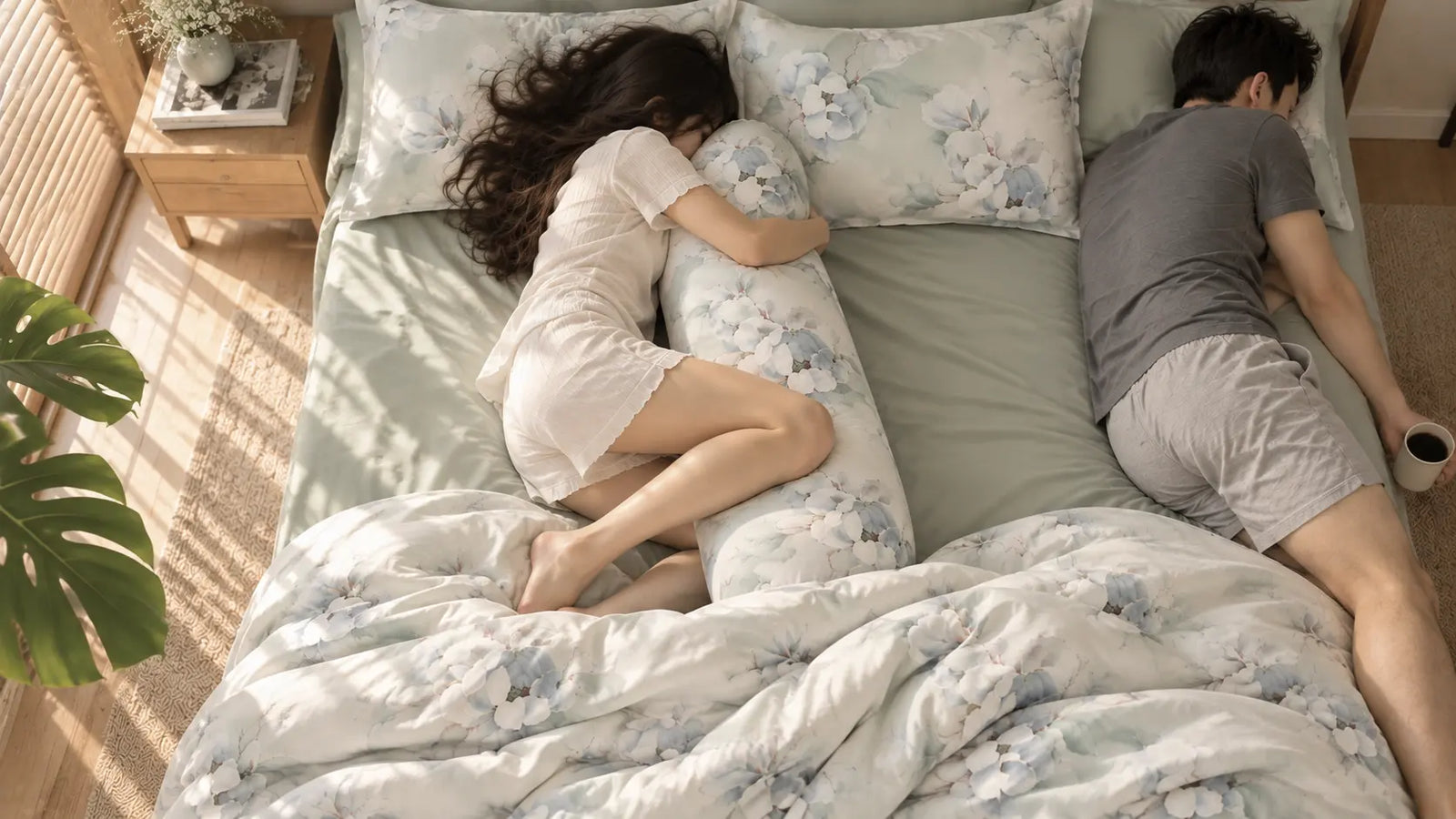
Nighttime humidity in Singapore regularly sits above 80%. Most people's first instinct is to crank the aircon down to 18°C, which just leaves you shivering while the electricity bill climbs. The temperature is rarely the real problem. It is the fabric pressed directly against your skin.
The "Clammy Cotton" Problem
Cotton gets praised for absorbency, but in equatorial heat that is exactly what works against you. Cotton fibres soak up sweat and ambient moisture, locking it inside the weave. Once saturated, the fabric stops breathing, traps body heat, and creates that heavy, sticky feeling you know too well by 2 AM.
TENCEL™ Lyocell works differently. Its micro-channels draw vapour away from your skin and release it into the air rather than holding it. The fibre surface stays dry to the touch, and the weave is open enough for a ceiling fan to actually do something.
FAN VS. AIRCON BEDROOMS
Fan-only rooms: Heavy or damp sheets kill airflow entirely. Lyocell stays light and permeable, letting the breeze pass through while moving sweat off your skin before it pools. Air-conditioned rooms: Cold air hitting moisture-soaked cotton creates that clammy chill by morning. Lyocell stays dry under the blanket, so the air conditioning actually feels like what you paid for.
In Singapore's climate, moisture management wins over raw absorbency every time. It is why what your sheets are made from matters far more here than it does somewhere with cooler, drier nights.
2. What TENCEL™ Actually Is (And What It Isn't)
Browse any local bedding site and "Tencel" gets treated like a generic material, the same way you would say cotton or linen. It is not. TENCEL™ is a trademarked brand name owned by Austrian manufacturer Lenzing AG for its regenerated cellulose fibres, mainly Lyocell and Modal. Think of it like Gore-Tex for waterproof jackets or Lycra for sportswear.
TENCEL™ Lyocell comes from sustainably harvested eucalyptus and beech wood pulp, processed through a closed-loop system that recycles over 99% of its water and solvents. You get a plant-derived fibre that breathes and drapes like a natural fabric, without the petroleum base of polyester.
Why Cheap "Tencel Blends" Pill and Trap Heat
This is where most people get burned. To put TENCEL™ on the label while keeping costs down, many manufacturers mix Lyocell with cheap polyester or lower-grade rayon. Two things happen as a result:
- Pilling and Rough Texture: Stiff synthetic threads grind against the softer Lyocell fibres in every wash. That friction breaks the wood-pulp fibres and rolls them into scratchy little balls across your fitted sheet. If your sheets are pilling right now, a blend is almost certainly the reason.
- Heat Trapping: Even a small percentage of polyester is enough to block Lyocell's moisture transfer. You end up with a humid pocket under your duvet, which is the exact opposite of why you bought the sheets.
How to Read the Label
Ignore the front of the box. Flip to the care tag sewn into the inner seam, or check the full product specs online before you buy.
WHAT TO LOOK FOR
BUY: "100% TENCEL™ Lyocell" or "100% Lyocell (TENCEL™)"
AVOID: "Tencel Microfibre", "Tencel Blend", or anything that lists a percentage of polyester. Microfibre is just a softer word for synthetic plastic.
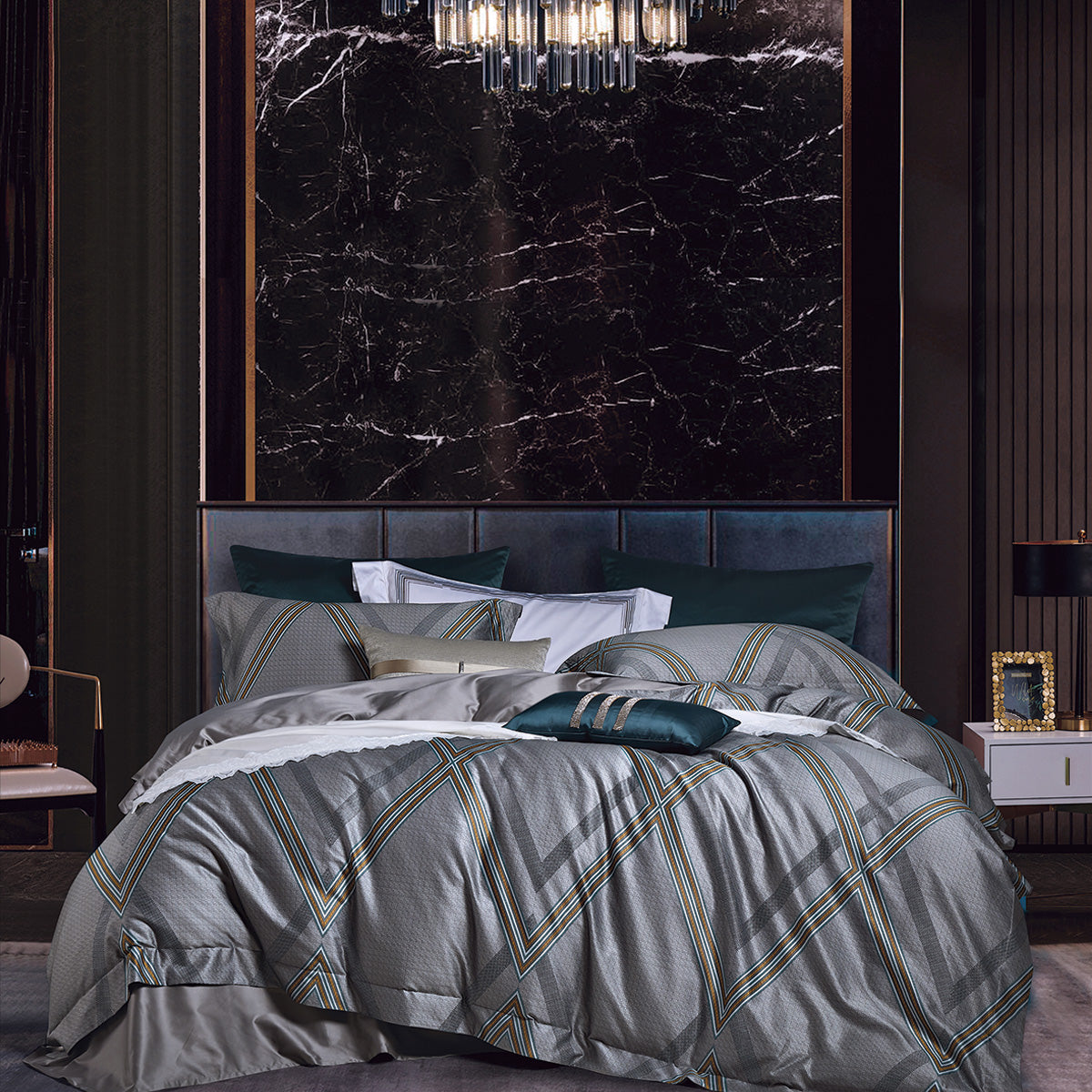
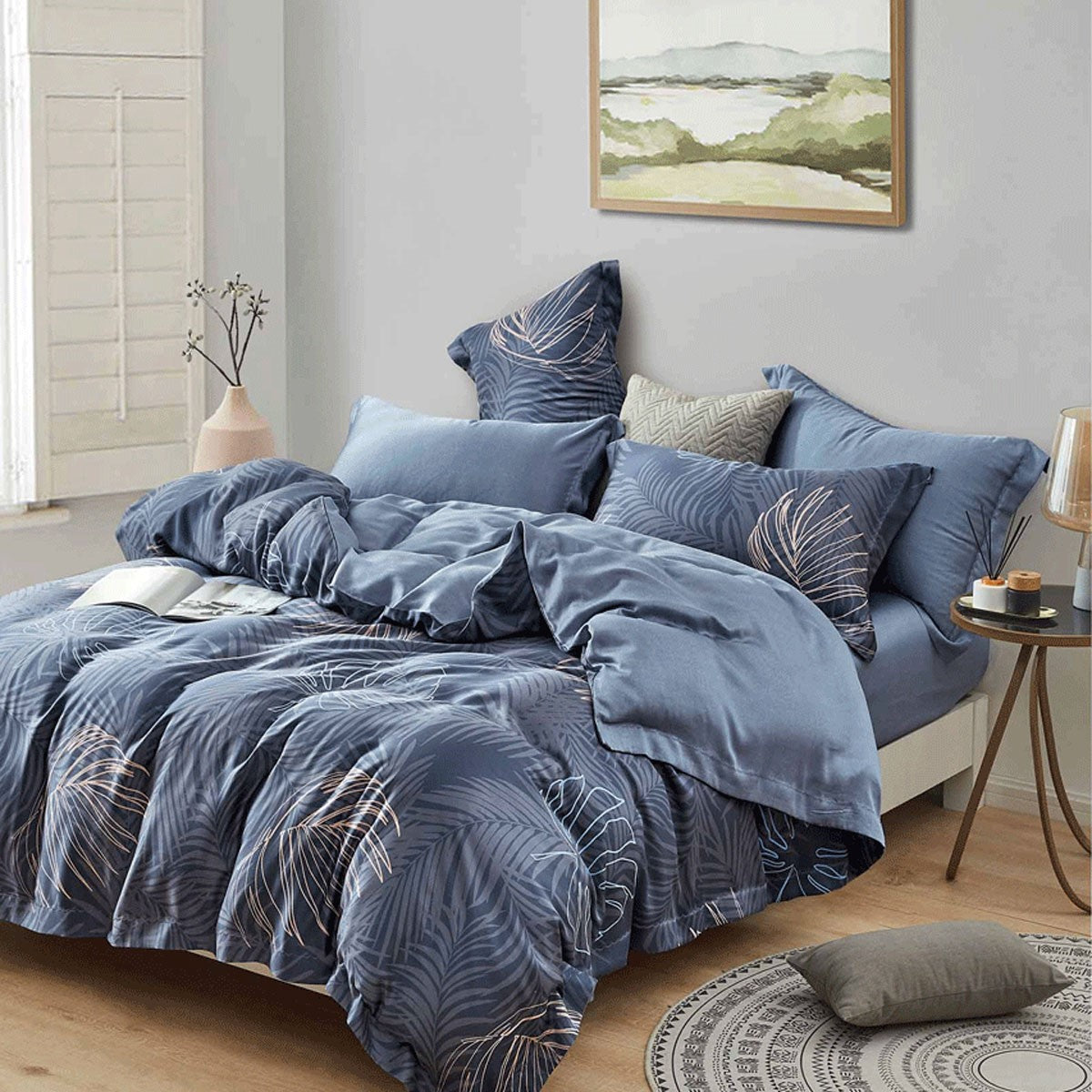
Charles Millen's 100% TENCEL™ Lyocell collection uses pure, unblended Lyocell throughout. No synthetic fillers means the fabric keeps its silk-like feel, wicks moisture continuously, and washes well without breaking down.
100% TENCEL™ Lyocell Collection

Suzanne Sobelle Bloomsbury – Mira
3. The Thread Count Trap: Why 300 TC and 1200 TC Are the Same Thing
American sleep blogs say the sweet spot for Tencel is 300 to 400 thread count. Walk into any Singapore department store and you see 900, 1100, 1200. Looks like local brands are inflating the numbers. They are not. It is a measurement problem.
Western sites count threads per square inch. Asian manufacturers measure per 10 square centimetres. Once you convert between the two, a 300 to 400 TC sheet from a US review site is the same weave density as a 900 to 1200 TC sheet here. Same fabric, different ruler.
That 1200 TC set on the shelf describes the exact same fabric density as the 300 TC set on an American review site. You are not being upsold. You are just reading different rulers.
The Multi-Ply Trick to Watch Out For
High thread counts can still mislead you if a brand uses multi-ply shortcuts. Some manufacturers twist two or three weak threads together into one strand, then count each individual thread inside the twist to inflate the number. You end up with a higher TC on paper, but a coarser, hotter, and less durable sheet on your bed.
Real quality comes from fine single-ply threads woven at high density, which produces a smooth surface that stays light and breathable. Charles Millen's 900 TC and 1200 TC TENCEL™ collections are built on single-ply weaving, which is why they feel silky rather than thick and cool rather than insulating.
900 TC Collection | 1200 TC Collection
4. Tencel vs. Cotton vs. Silk: Which Sheet Actually Wins for SG Sleepers?
Most buyers end up comparing three materials: TENCEL™ Lyocell, Premium Cotton Sateen, and Mulberry Silk. Each one handles heat, skin contact, and a washing machine differently, so the right pick really does depend on how you actually live.
Worth noting before the table: do not confuse TENCEL™ Lyocell with cheap polyester satin. Synthetic satin feels plasticky, slides off the bed, and traps sweat fast. Lyocell drapes and breathes like a natural fabric. They are not in the same category at all.
| Feature | 100% TENCEL™ Lyocell | Premium Cotton Sateen | Mulberry Silk |
|---|---|---|---|
| Cooling & Moisture Wicking | Superior | Moderate | High |
| Machine Wash Friendliness | Easy, gentle cycle | Easy and durable | Delicate, handwash only |
| Sensitive Skin & Eczema | Ultra-low friction | Low to medium | Ultra-low friction |
| Dryer Safe? | Low heat only | Yes, most settings | No |
| Price / Value | Excellent luxury value | Good | Very high cost |
Honest take: if you regularly use a tumble dryer and cannot be bothered with special settings, Cotton Sateen is actually more forgiving than Tencel. Silk is a complete non-starter for that lifestyle. Pure 100% TENCEL™ Lyocell wins on cooling, skin comfort, and value. It does need the low-heat discipline covered in the next section.

Bloomsbury Luxury Bed Linen – Melia
5. How to Wash Tencel Sheets Without Destroying Them, Dryer Included
Pilling does not happen because Tencel is inherently fragile. It happens when heat and friction break the surface fibres. That is an important distinction, because it means the damage is preventable with a few simple habit changes, even if you live in a condo and rely on a tumble dryer.
Temperature: Cold Water, Every Time
A lot of Singapore households wash bedding at 40°C to 60°C to deal with dust mites. The problem is that heat causes wood-pulp fibres to swell, weaken, and snap. That is how pilling starts. Use cold water instead, with an anti-bacterial or anti-dust-mite laundry additive. It handles allergens without touching the fibre structure.
Skip the Fabric Softener Completely
Counterintuitive, but fabric softener actively damages TENCEL™ sheets. It coats fibres in a thin silicone layer that clogs the microscopic moisture channels. Once those are blocked, the fabric stops wicking and you end up sleeping on the clammy surface you were trying to escape. Stick to a mild liquid detergent and skip the softener entirely.
Using a Tumble Dryer: Two Rules That Actually Work
Most care guides avoid this topic because the answer is inconvenient. The truth is you can use a dryer without ruining your Tencel sheets, but two rules are non-negotiable:
DRYER PROTOCOL FOR SINGAPORE APARTMENTS
Rule 1: Low heat only, no exceptions. Never run a standard hot cycle. Use delicate, low-heat, or air-dry mode. This one change alone prevents most heat-related damage.
Rule 2: Unload immediately. Pull the sheets out the moment the cycle finishes. Residual warmth trapped in the drum keeps breaking down fibres and pressing in wrinkles even after it stops spinning.
Air-drying in the shade is still the gentlest option, but if your condo does not make that practical, low-heat drying genuinely works. Most pilled Tencel sheets got that way from a hot cycle run by accident, or from being left sitting in a warm finished drum.
The Mesh Laundry Bag Fix
Inside the washing machine, zippers, buttons, and rough items like bath towels act like sandpaper against smooth Lyocell. That abrasion is the second biggest cause of pilling after heat.
Simple fix: turn pillowcases and fitted sheets inside out, put them in a large mesh laundry bag, and wash on a gentle cycle separately from towels and anything with hardware. You will notice the difference after the first wash.
6. Fitted Sheets That Actually Stay On Your Mattress
Few things are more annoying than a fitted sheet that pops off a corner at 2 AM. As thicker hybrid, latex, and pillow-top mattresses become the norm in Singapore homes, bedding with shallow pockets often just cannot stay put, especially once you add a plush topper or mattress protector on top.
Before buying, measure your full mattress height including any topper. You want a fitted sheet with roughly 3 to 5 cm more pocket depth than that total, so the elastic can wrap properly underneath rather than just grip the sides.
PROTECT YOUR SHEET'S FIT OVER TIME
Hot water washes and high-heat drying cause Lyocell fibres to tighten permanently, which gradually shrinks the pocket depth. A sheet that fit perfectly at purchase starts pulling away at the corners. Cold water and low heat protect the fabric dimensions as much as the feel.
Check the individual product listings in the Charles Millen bed linen collection for the exact pocket depth of each fitted sheet, so you can match it to your mattress before ordering.
7. The Charles Millen TENCEL™ Collections Worth Knowing
Thread count decoded, care habits sorted. Now the part that actually affects how your bedroom looks and feels every day. Here is how Charles Millen's Tencel collections break down by style.
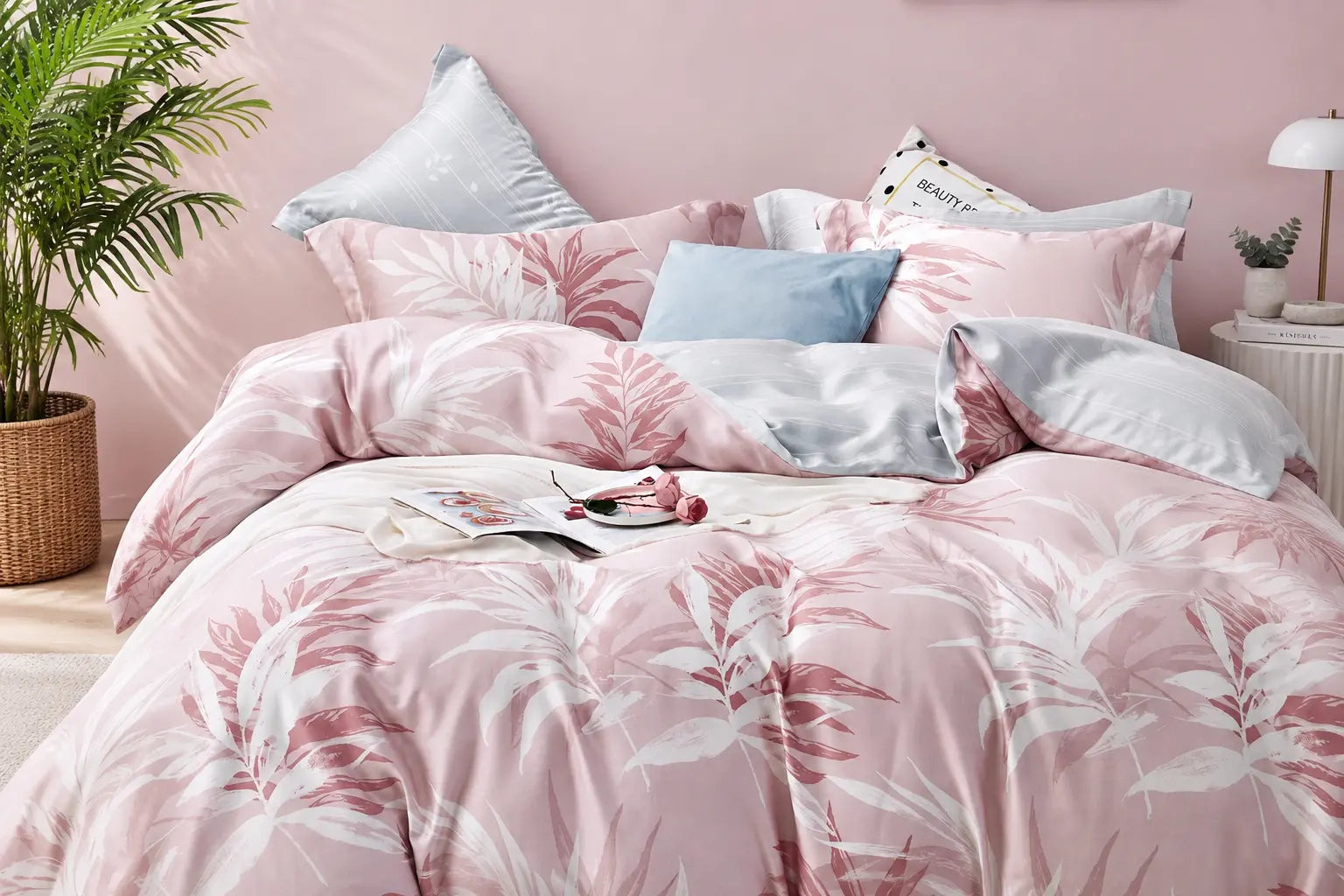
Classic Romance: Suzanne Sobelle by Charles Millen
Soft colourways and considered print motifs for bedrooms that lean toward warmth and quiet elegance. Works well in traditional or transitional interiors where you want personality without anything too bold.

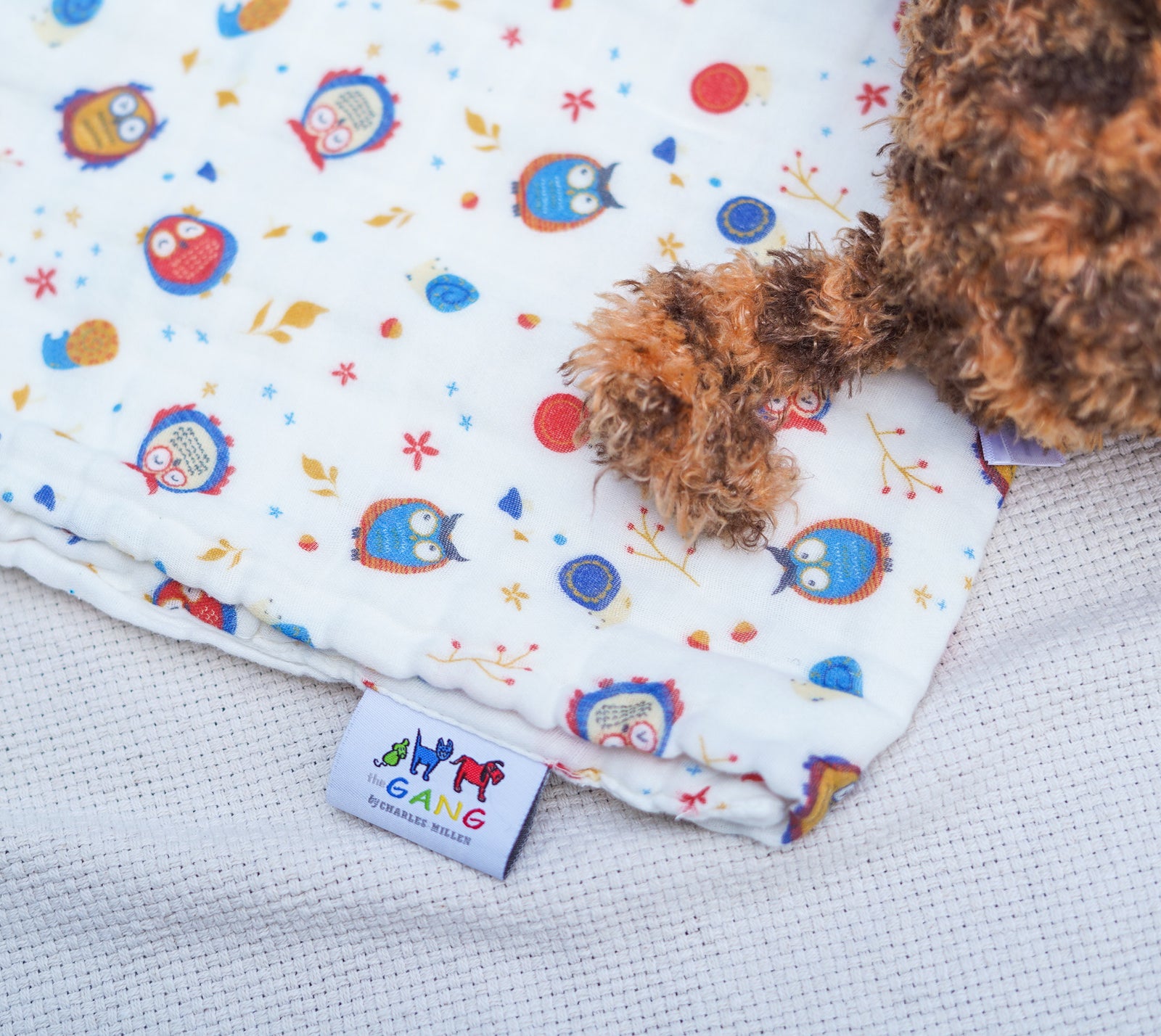
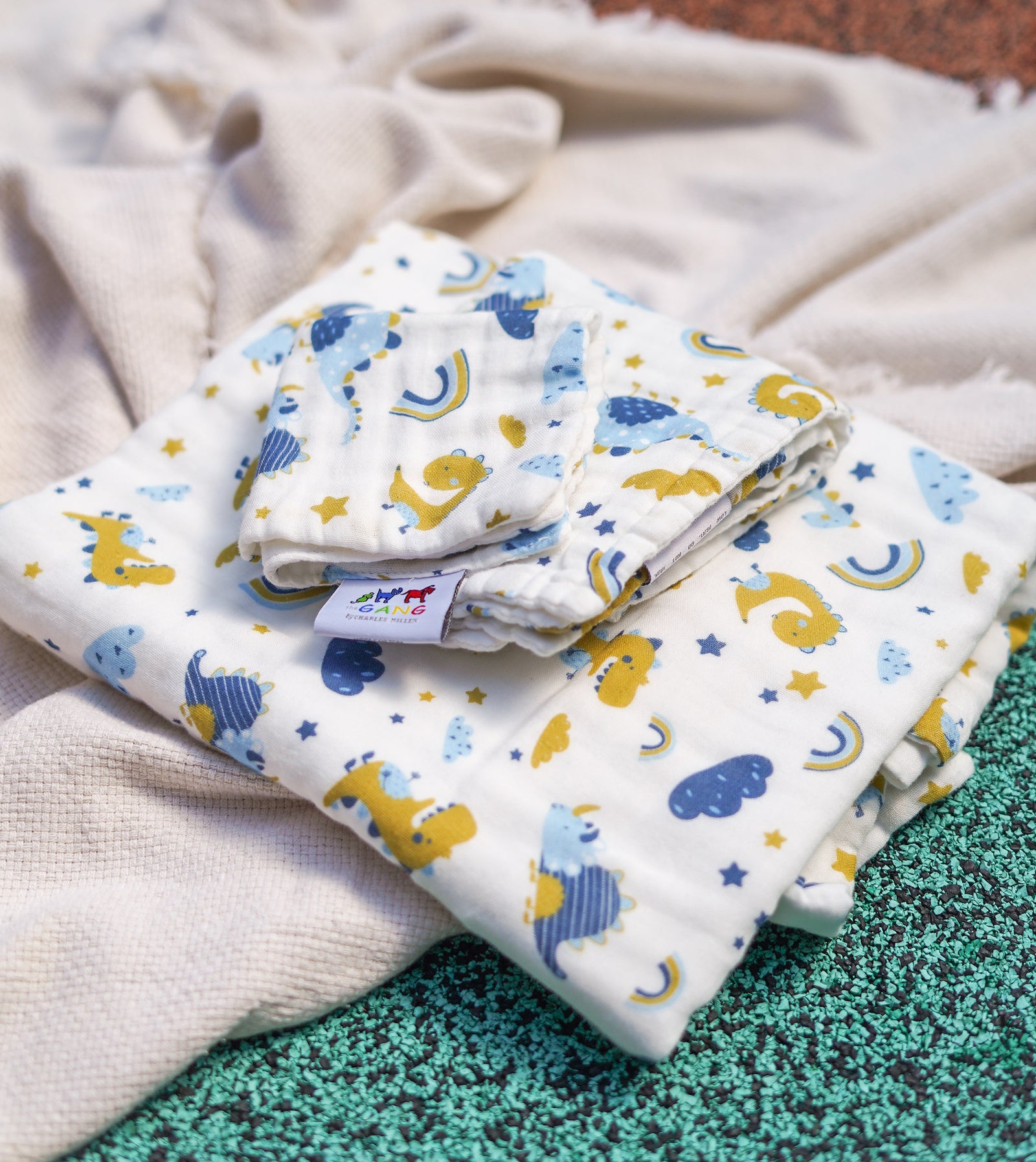
Modern and Playful: The Gang by Charles Millen
The Gang's Tencel range brings bold colour blocking and graphic energy in high-density Lyocell. Works particularly well in Scandinavian-inspired rooms or kids' rooms where you want the bedding to pull its visual weight.
The Full Range: The 100% TENCEL™ Lyocell Line
Want to see everything in one place? The full 100% TENCEL™ Lyocell collection brings every print and colourway together, all in pure, unblended Lyocell. The natural sheen and fluid drape do the talking on their own.
100% TENCEL™ Lyocell Collection
8. Frequently Asked Questions About Tencel Sheets
How long do 100% Tencel bed sheets last?
With proper care, good quality 100% TENCEL™ Lyocell sheets generally last 2 to 4 years. Cold water washes, no fabric softener, low-heat drying, and rotating between two or three sets all help extend that. The people who find Tencel wears out fast are almost always the ones who ran hot cycles regularly.
Can you iron Tencel bed sheets?
Yes, but keep it on a low or silk setting. High heat leaves shiny press marks and weakens the plant fibres. Ironing while still slightly damp works best, or iron on the reverse side. If you want to skip ironing altogether, smooth the sheets by hand straight out of a cool dryer cycle. Lyocell releases wrinkles quickly with a bit of tension.
Why do my Tencel sheets feel stiff after air drying?
Without mechanical tumbling, wet fibres lock into place as moisture leaves them. The stiffness is temporary and softens within minutes once the fabric reacts to body heat and movement. If you want them softer straight off the line, pop them into the dryer on a no-heat or air-fluff setting for about 5 minutes. That gentle tumble is enough to loosen everything without any heat damage.
The honest verdict: TENCEL™ Lyocell is worth it in Singapore's climate, but only if you buy 100% unblended and take the dryer dial seriously. One hot cycle does more damage than a year of careful washing.
Also in Blog